The Drama is Emma's Story
A small part of me is happy I disagreed with you so much about The Drama. What a boring world it would be if we agreed on everything or if I only slightly disagreed with you on film.
I agreed with some of your takes for sure. The Scene would have been better if Charlie’s secret was that he lied and manipulated the woman of his dreams to get a date with her. Instead it was a throwaway story to get to Emma. He also didn’t have to be so creepy in the first scene. Could have just walked over and lied about the book.
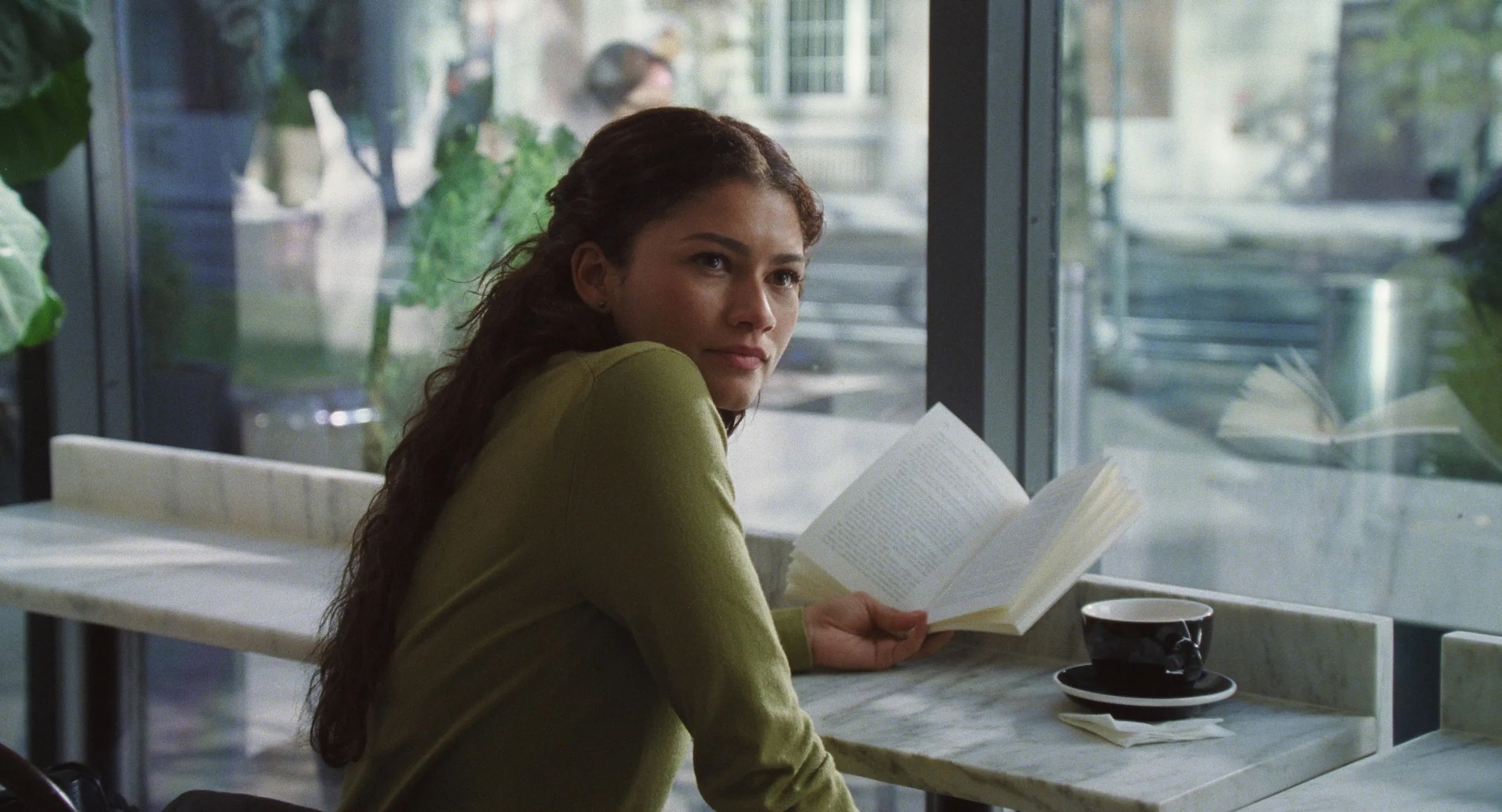
I think here is where you’re “wrong.” This is Emma’s story. Her childhood isolation could have been explored a bit more, but from a fluke of coincidence she stopped her plan and fellow students gave her a second chance. She took that and worked to do good in her life.
The first scene, she gives Charlie a second chance, wants to give the druggy DJ a second chance, tries to give Charlie a second chance again but he doesn’t take it (after her backstory is revealed), and then at the end, gives him another second chance and he takes it. He’s flawed and he screwed up but she forgives him because she’s empathetic.
It’s what he loves about her (he says it twice during the photo shoot!). Empathy. And then when he’s mad he erases that word from his speech.
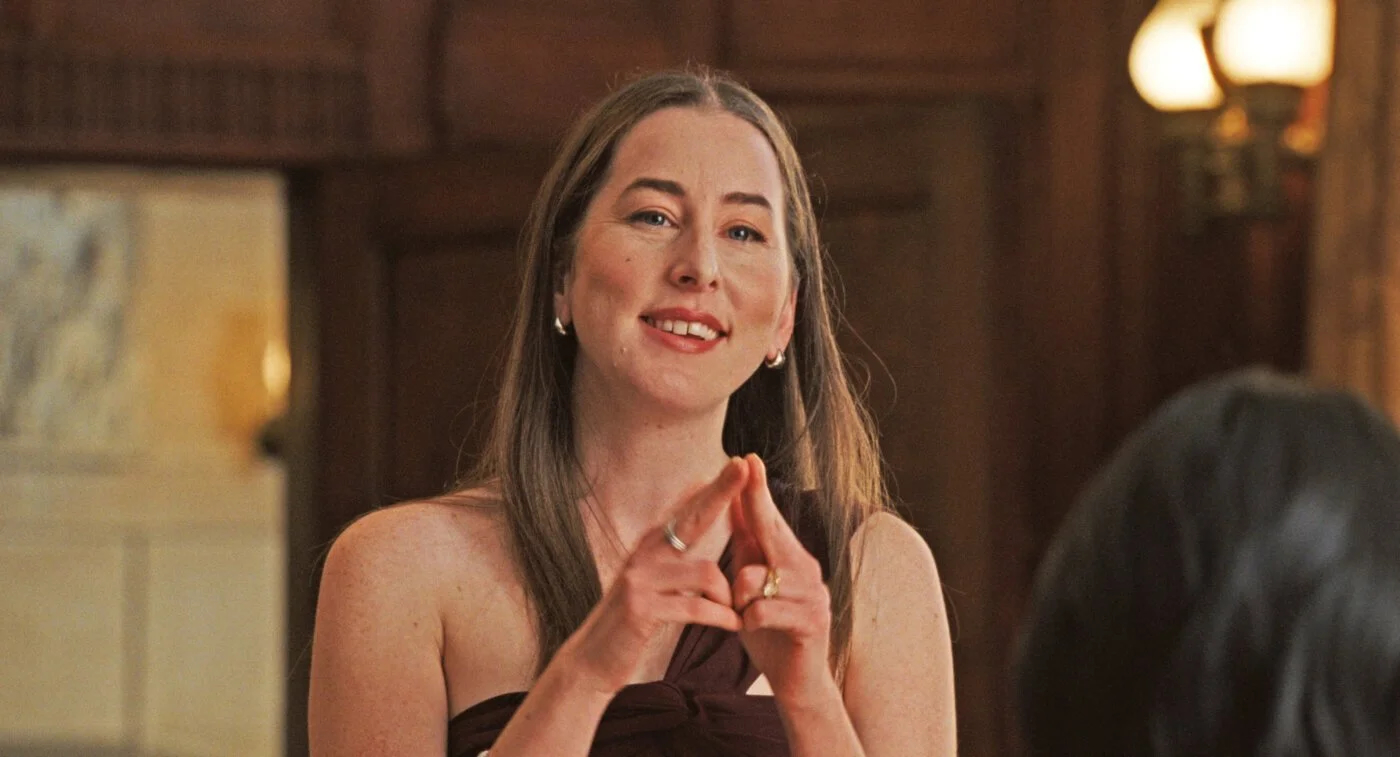
The Haim character represents a society that does something arguably worse but wastes no time to judge with the utmost contempt. Others land somewhere in the middle of the empathy spectrum.
I could go on and on. It’s not a perfect film by any means, but I really went for the themes explored here.
Eric Grote
Savoring The Drama's Social Critique
The focus here is on how we judge those we love, and how we come to accept their worst attributes. In that way it’s quite similar to Dream Scenario, which explored cancel culture (for lack of a better term) in a muddled sermon. In The Drama, by exploring power dynamics in a relationship, Borgli asks whether anyone is squeaky clean, and how much we can forgive those who change. It’s pointed how Misha is decidedly unrepentant and dishonest, a contrast to our protagonists (plus her boyfriend is the *actual* violent psycho). It’s also pointed how Rachel serves as the avatar for the chronically online, polarized voice who does not want nuance or equivocation in life, for that’s too thorny and challenging for her point-scoring quest to be black and white about everything. Also, perhaps it takes a Norwegian (or at least, any European) to come up with the darkly funny twist that the reason teenage Emma aborts her shooting is that another shooting occurred in the same town before she could pull the rifle out of the car. It’s a condemnation not just of American gun culture, but of the impressionability of teenagers and the pervasiveness of bullying.
Zach Ralston